
A load can be delivered, paperwork submitted, and the next fuel bill still arrive before a broker or shipper pays. That timing gap is why freight factoring for trucking companies is often less about borrowing for growth and more about keeping daily operations moving. When cash is tied up in receivables, a profitable dispatch schedule can still create a working-capital problem.
For transportation businesses, cash flow has to cover fuel, payroll, maintenance, insurance, permits, tolls, repairs, and driver-related expenses long before a 30-, 45-, or 60-day invoice comes due. Freight factoring converts approved unpaid invoices into cash sooner, helping a carrier take on profitable work without waiting for each customer’s payment cycle.
How Freight Factoring for Trucking Companies Works
Freight factoring is the sale of an eligible freight invoice to a factoring company. After a load is completed and documented, the factor advances a portion of the invoice value, commonly within a short period after verification. The remaining balance is released after the customer pays, less the factoring fee and any applicable charges.
The process generally begins with a completed load, a signed proof of delivery, a rate confirmation, and an invoice. The factoring provider reviews the credit quality of the broker or shipper that owes the money. This is a major distinction from a conventional business loan: the customer’s ability to pay often carries more weight than the carrier’s personal credit profile.
For example, a carrier may invoice a credit-approved broker for $5,000. If the advance rate is 95%, the business receives $4,750 up front. Once the broker pays the invoice, the factor remits the reserve balance after deducting its fee. The exact advance, fee, and timing depend on the provider, customer credit, invoice volume, and contract terms.
This structure does not make weak freight rates profitable. It does, however, give management faster access to cash already earned. That distinction matters when evaluating whether factoring supports the business plan or simply covers a margin problem that needs attention.
When Factoring Is a Practical Cash Flow Tool
Factoring can make sense when a trucking company has consistent completed invoices from established brokers or shippers but needs funds before those invoices mature. It is especially useful when fuel, payroll, or maintenance needs rise alongside freight volume. A carrier may have enough booked work to grow but not enough free cash to bridge the payment delay.
It can also be a practical option following a large repair, seasonal volume increase, or the addition of equipment that raises operating expenses before revenue catches up. In these situations, turning receivables into working capital can prevent a temporary cash shortage from disrupting dispatch, customer service, or maintenance schedules.
The right fit depends on the quality of your accounts receivable. A business that works primarily with financially strong brokers and shippers may have more attractive factoring options than one billing slow-paying or disputed accounts. Clean paperwork, predictable billing, and a manageable claims history can also improve the experience and the available terms.
Factoring is not always the lowest-cost capital. If your customers pay quickly, your invoices are small, or you have dependable cash reserves, the convenience may not justify the fees. A business line of credit or another working-capital structure may be a better long-term fit when it is available and priced favorably.
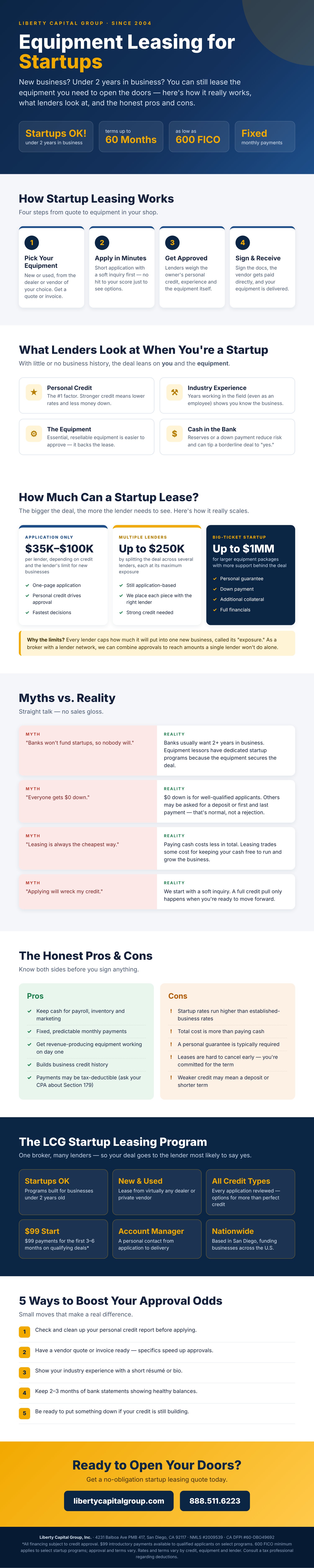 Free InfographicEquipment Leasing for StartupsHow it works, what lenders look at, myths & honest pros and cons.Click to View →
The Terms That Matter More Than the Advertised Rate
A low advertised factoring rate can be misleading if the agreement includes minimum-volume commitments, long contract periods, processing fees, wire charges, termination penalties, or additional costs for slow-paying invoices. The finance charge is only one part of the decision.
Ask whether the rate is charged weekly, monthly, or by a set number of days. A fee that sounds modest can become expensive if a customer pays later than expected. Also confirm whether the rate increases after an initial period, whether there is a cap, and how the provider calculates the charge.
Advance rate matters because it determines how much cash is available immediately. A higher advance can help with urgent operating expenses, but it should be viewed alongside the total cost and the quality of service. The reserve amount should be clearly defined, along with the timeline for releasing it after payment.
Recourse vs. Non-Recourse Factoring
With recourse factoring, the trucking company may be responsible for buying back or replacing an invoice if the customer does not pay within the agreed period. This structure often costs less because the business retains more of the credit risk.
Non-recourse factoring provides protection in certain customer nonpayment situations, usually insolvency, but it does not automatically cover every dispute, paperwork issue, or claim. The contract definition of nonpayment is critical. A freight bill disputed because of delivery documentation or service concerns may still remain the carrier’s responsibility.
Neither option is universally better. Recourse can be reasonable for companies with disciplined credit practices and reliable customers. Non-recourse may offer greater protection when customer concentration or credit uncertainty creates a larger risk. Review the terms with the same care you would apply to the rate.
Customer Notification and Collections
Most factoring arrangements include customer notification, meaning the broker or shipper is instructed to send payment directly to the factor. Professional communication matters here. A reputable provider should handle collections in a way that protects the relationships you have worked to build.
Before signing, understand who contacts your customers, how disputes are handled, and whether you retain visibility into payment status. Your back office should know exactly where invoices stand, which documents are missing, and when reserves will be released. Factoring should reduce administrative friction, not create a new layer of confusion.
Factoring vs. Other Trucking Funding Options
Freight factoring is designed around accounts receivable. It is generally most useful for routine operating expenses tied to completed work. It may not be the right tool for a major equipment purchase, a fleet expansion, or a long-term refinancing need.
Commercial truck financing is usually better suited for acquiring tractors, trailers, and other revenue-producing equipment because the repayment term can align with the useful life of the asset. Equipment financing may preserve operating cash while spreading a large purchase over time. For broader needs, a business loan or line of credit may provide more flexibility, although approval standards, collateral requirements, and funding timelines vary.
The best capital stack often uses the right product for the right purpose. Using invoice advances to cover a temporary receivables gap can be sensible. Using them continuously to fund a large capital project may put too much pressure on margins. A funding advisor can help compare the payment obligation, total cost, tax treatment, collateral impact, and cash flow effect before you commit.
How to Prepare Before Applying
Strong preparation can improve both approval speed and the quality of offers. Have current accounts receivable aging reports available, along with sample invoices, rate confirmations, proof-of-delivery documents, and a list of your primary brokers or shippers. Be ready to explain any large unpaid invoices, billing disputes, chargebacks, or customer concentration.
It also helps to know your average invoice amount, monthly freight billings, typical days to payment, and how much capital you need each week. These numbers allow you to compare a factoring proposal against the actual cost of waiting for payment. Do not focus only on the advance rate. Focus on whether the arrangement gives you enough usable cash at a cost your margins can support.
Review the agreement before signing, particularly the term length, cancellation provisions, personal guarantee language, reserve policy, and invoice approval requirements. If the contract is unclear, ask for examples based on your real invoices and payment patterns. Clear answers before funding are preferable to costly surprises after your receivables are assigned.
Build Cash Flow Around More Than Faster Payments
Factoring can create breathing room, but disciplined cash management keeps that room from disappearing. Track revenue per loaded mile, fuel cost trends, maintenance reserves, insurance obligations, and customer payment behavior. Price freight with the full cost of doing business in mind, including the cost of capital when it is needed.
A reliable funding structure should support better decisions, not substitute for them. When your company knows which customers pay well, which lanes produce margin, and which expenses are coming due, you can use factoring selectively and preserve flexibility for larger opportunities.
Liberty Capital Group helps transportation businesses evaluate receivables financing alongside equipment and working-capital options, so the funding structure matches the purpose rather than forcing every need into one product. Request a payment quote to compare practical options and keep your fleet positioned for the next profitable load.