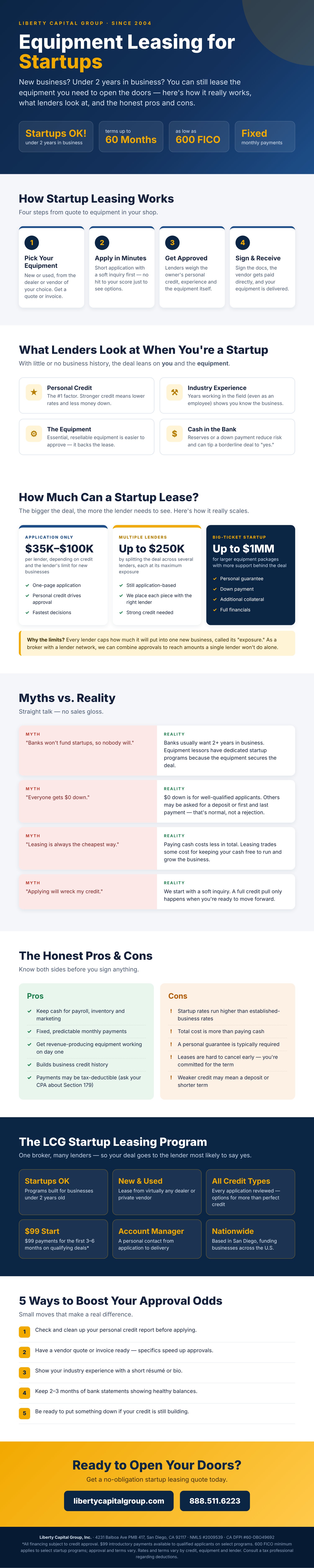
A funding request can be declined even when the business is busy, profitable, and headed in the right direction. The issue is often not whether the owner deserves capital. It is whether the lender can quickly verify repayment capacity, understand the purpose of the funds, and place the request in the right financing program. Knowing how to improve funding approval means preparing for that lender review before an application goes out.
For small and mid-sized businesses, approval is rarely based on one number alone. Revenue matters, but so do cash flow patterns, time in business, existing obligations, credit profile, industry, collateral, and the amount requested. A stronger application tells a clear story: this business has a defined need, a realistic repayment plan, and a financing structure that supports growth rather than strains operations.
Start With the Right Funding Structure
Many applications become harder to approve because the business owner asks for a general-purpose loan when the need is highly specific. Lenders price and underwrite working capital, equipment purchases, receivables, and commercial vehicles differently. Matching the request to the asset or cash flow source can improve both approval odds and terms.
For example, a contractor replacing an excavator may be better served by equipment financing or leasing than by using short-term working capital. The equipment itself may support the transaction, payments can often be aligned with the asset’s useful life, and operating cash remains available for payroll, materials, and job costs. A company with unpaid commercial invoices may need financing tied to receivables rather than taking on a fixed-payment loan that ignores its billing cycle.
The same principle applies to fast-moving needs. A merchant cash advance can be useful for a business with consistent card sales and a short-term opportunity, but it may not be the best fit for a long-lived asset. A line of credit can support recurring gaps in working capital, while a term loan may make more sense for a one-time expansion. The right product is not simply the one with the fastest answer. It is the one your cash flow can carry.
Show Lenders a Clear Repayment Story
Lenders want to know where repayment will come from. “Growth” is not enough on its own. A strong request connects the capital to revenue, cost savings, or a predictable operating need.
If you are purchasing equipment, explain how it will increase production capacity, replace costly downtime, reduce subcontractor expense, or allow the business to accept larger jobs. If the request is for working capital, identify the pressure point: seasonal inventory, delayed customer payments, materials for awarded contracts, or a temporary payroll gap. Specificity gives an underwriter context that bank statements alone cannot provide.
Be realistic about the requested amount. Asking for more capital than the business can support can weaken an otherwise solid file. A practical funding advisor can help model the payment against average monthly revenue, fixed obligations, and expected variability in sales. The goal is to secure enough capital to solve the problem without creating a payment that limits the business the following month.
Keep Your Use of Funds Consistent
Your application, conversation, and supporting documents should tell the same story. If the request is for equipment, have the vendor quote available. If it is for inventory, provide an estimate of the purchase and explain the expected sales cycle. If the funds will refinance higher-cost debt, identify the balances, payments, and anticipated monthly savings.
Inconsistencies create extra questions. Extra questions can slow down a decision or lead a lender to pass. Clear documentation makes it easier for the lender to understand the opportunity and move with confidence.
Equipment Dealers & VendorsOffer Financing On the SpotFree Vendor Package: program guide, credit guidelines & customer credit app. Close more sales, earn referral fees.Download Free →Improve the Financial Documents Lenders Actually Review
A business does not need perfect books to qualify for financing, but incomplete or disorganized records can create avoidable friction. Most alternative lenders focus heavily on recent business bank statements because they show deposits, existing payments, returned items, and real cash movement. Traditional lenders may require more extensive tax returns, profit-and-loss statements, balance sheets, and debt schedules.
Before applying, review the most recent three to six months of business bank activity. Look for overdrafts, non-sufficient-fund items, negative days, unexplained large transfers, or frequent payments to other financing companies. One issue may not prevent approval. A pattern can affect the lender’s view of available cash flow.
Keep business and personal spending separate whenever possible. Mixed transactions make it harder to assess operating performance and may force an underwriter to make assumptions. Also make sure your legal business name, address, and tax identification information are consistent across bank accounts, state registrations, invoices, and application documents.
If your financials have a weak month, do not try to hide it. Be prepared to explain it. A temporary slowdown caused by weather, a delayed project, or a one-time repair is different from a continuing decline in revenue. Context matters when it is supported by facts.
Manage Existing Debt Before Adding More
Existing financing is not automatically a problem. Many healthy businesses use loans, leases, lines of credit, and short-term capital strategically. The concern arises when current payments consume too much of monthly cash flow or when multiple obligations suggest the business is filling one gap with another.
Review every existing payment before submitting a new application. Know the remaining balance, payment frequency, payoff amount, and whether paying off or consolidating an obligation would improve the overall monthly picture. In some cases, refinancing expensive debt into a better-structured facility can strengthen cash flow. In others, adding a new payment is not the right move until receivables improve or expenses are brought under control.
Avoid applying with several lenders independently in a short period. Multiple inquiries and competing applications can create confusion, duplicate outreach, and inconsistent information. A coordinated process allows the file to be presented to funding sources that are most likely to fit the business profile.
Build Credit Without Waiting for Perfection
Credit is part of the underwriting picture, but it is not the entire picture. Many business funding programs consider revenue, bank activity, collateral, and industry performance alongside personal and business credit. Still, improving credit can expand financing options and reduce the cost of capital over time.
Pay obligations on time, correct reporting errors, reduce revolving utilization when practical, and avoid opening unnecessary accounts before a major financing request. If there are past credit issues, be direct about them. A resolved event with a clear explanation is easier to assess than a surprise discovered during underwriting.
Business owners should also recognize the trade-off between speed and pricing. Faster, more flexible financing may carry a higher cost than a conventional bank facility. That cost can be justified when capital protects a profitable contract, captures a time-sensitive purchase, or keeps operations moving. It should be measured against the return the funds are expected to produce.
Work With an Advisor Who Can Position the File
A funding advisor does more than submit an application. The right advisor helps identify the strongest financing path, organize the request, anticipate underwriting questions, and compare offers based on total cost, payment structure, term, collateral requirements, and prepayment provisions.
That matters most when a business has a nontraditional profile. Seasonal revenue, contract-based work, equipment-heavy operations, recent growth, or prior credit challenges may not fit a rigid bank credit box. Liberty Capital Group helps business owners evaluate multiple funding paths and pursue a structure that matches their operating reality.
How to Improve Funding Approval Before You Apply
The best time to improve an application is before cash becomes urgent. Keep bank activity clean, maintain current records, monitor debt payments, and document how new capital will generate a return. When an opportunity appears, you can move faster because the core information is already in place.
Bring a complete picture to the conversation: recent bank statements, identification, business details, a clear use of funds, and any supporting invoices, vendor quotes, or debt payoff information. Then ask for a payment structure that protects the business’s ability to operate after funding closes.
A well-prepared request does not guarantee approval, because every lender and program has different standards. It does put the business in a far better position to receive a timely, realistic offer. When you are ready to evaluate your options, speak with a funding advisor and request a payment quote built around the needs of your business.