
Investing in medical equipment can be a daunting task, especially considering the high costs involved. However, financing options can provide a viable solution that makes the acquisition of essential medical tools feasible and financially smart. This blog will explore why financing medical equipment can be advantageous, breaking down the benefits, options, and considerations in an easy-to-understand manner.

The High Cost of Medical Equipment
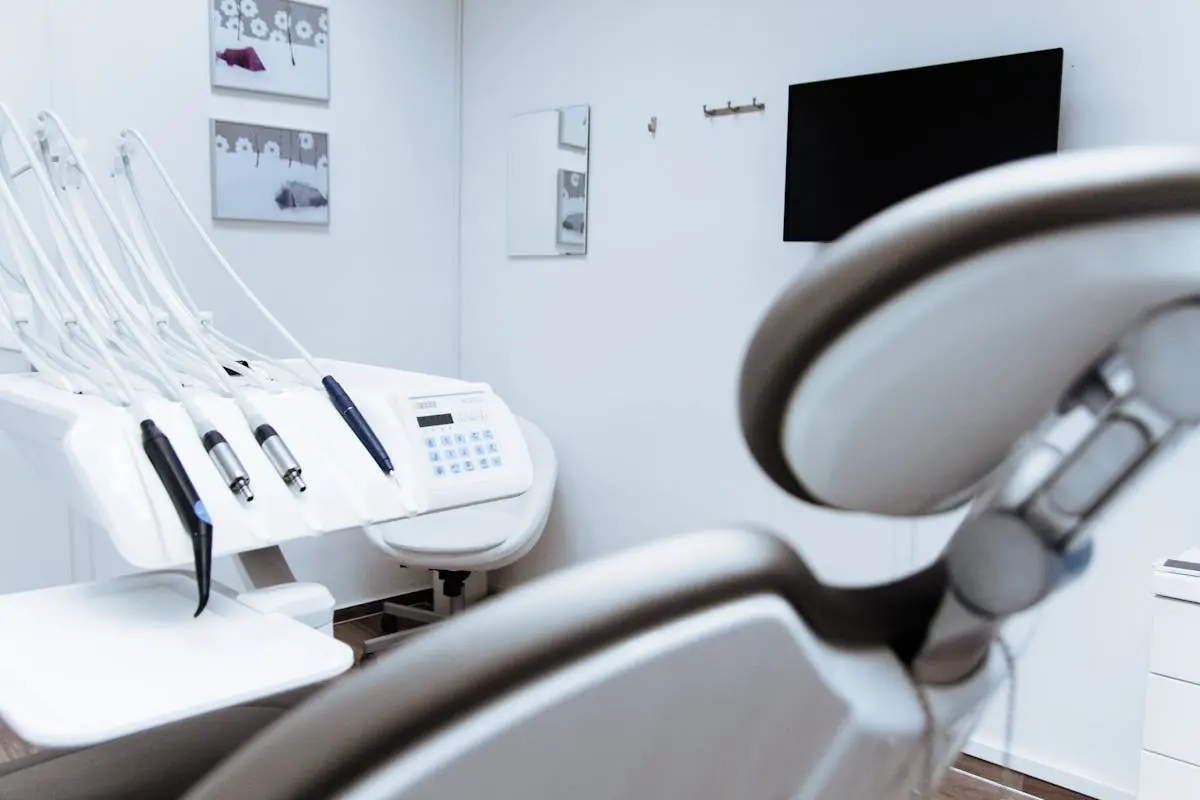
Medical equipment is undeniably expensive, often requiring substantial capital outlay. From diagnostic machines to treatment devices, the costs can quickly add up, creating a financial burden for many healthcare providers. Hospitals often need to invest in state-of-the-art medical devices to remain competitive and deliver high-quality patient care. Diagnostic tools such as MRI machines, CT scanners, and ultrasound systems can run into hundreds of thousands of dollars, making outright purchases challenging, especially for smaller facilities. Moreover, specialized treatment devices like radiation therapy machines or robotic surgical systems carry hefty price tags as well. Beyond the initial purchase, there are additional costs associated with medical equipment. These include installation, training, maintenance, and regular updates to keep the machines running optimally. For instance, advanced cardiac imaging systems require periodic software updates and specialized technician support, further adding to the financial burden. This extensive investment can strain a facility’s budget, potentially limiting its ability to invest in other crucial areas like staffing or facility upgrades.The Benefits of Financing
Financing allows healthcare providers to access essential medical equipment without the immediate need for large upfront payments. This approach keeps the hospital’s cash flow more stable, as they can distribute the cost over a more extended period. By preserving working capital, hospitals are free to allocate funds towards other critical areas such as staffing, facility expansion, or research and development. This strategic use of funds can result in more balanced financial health and operational flexibility. Another significant benefit of financing medical equipment is the ability to keep up with technological advancements. As newer, more advanced equipment becomes available, healthcare facilities that finance their equipment are better positioned to upgrade to the latest technology without a substantial financial strain. This access ensures that they can provide top-notch treatments and stay ahead of competitors, offering state-of-the-art care that attracts more patients and top-tier medical professionals. One of the most substantial benefits of equipment financing is the potential for favorable tax treatment. In many cases, lease payments may be fully deductible as operational expenses, providing significant tax advantages to healthcare providers. Additionally, financing options such as lease agreements often include comprehensive maintenance plans, transferring the burden of repairs and upgrades to the leasing company and allowing healthcare facilities to focus on patient care rather than equipment management.Types of Financing Options Available
There are various financing options available that cater to different needs and circumstances. A popular choice is traditional loans offered by banks or financial institutions, allowing hospitals to borrow a specific amount of money to purchase equipment. These loans typically come with fixed interest rates and clearly defined repayment terms, often requiring collateral. Despite the potential high initial cost of loans, owning the equipment outright can provide long-term benefits, particularly when the equipment has a long useful life. Equipment leasing is another viable option, particularly for those looking to upgrade regularly. With leasing, healthcare providers can rent medical equipment for a specific period, making monthly payments without the burden of ownership. At the end of the lease term, facilities often have the option to purchase the equipment, extend the lease, or upgrade to newer technology. This flexibility is invaluable in the fast-paced world of medical technology, where advancements are constant. Vendor financing is a third option wherein equipment manufacturers offer tailored financing solutions. This method can simplify the purchasing process, providing customized terms and potentially more favorable interest rates. For example, companies like MFI Medical offer specialized financing packages that can be structured to meet the unique needs of each healthcare provider. This approach can result in faster approvals and a more streamlined procurement process.Considerations When Choosing a Financing Option
Choosing the right financing option requires careful consideration of various factors such as interest rates, repayment terms, and the total cost of ownership. First and foremost, it’s essential to evaluate the financial health of your healthcare facility. Understanding your current financial situation will help you determine how much you can afford to spend on monthly payments and the kind of repayment terms that would be most beneficial. Additionally, consider the expected lifespan and technological relevance of the equipment you intend to finance. Opting for financing a piece of equipment that may become obsolete quickly might not be the best financial decision. Instead, look for flexible financing options that allow for upgrades or replacements, ensuring that your facility can keep pace with technological advancements without financial strain. The predictability of monthly payments can also facilitate better financial planning and cash flow management. Understanding the financial terms and potential hidden costs like maintenance fees is crucial. Some financing agreements might include comprehensive maintenance services, while others may not, leading to unexpected expenses down the line. Reviewing all aspects of the agreement, potentially with the help of a financial advisor, can prevent unforeseen financial complications and ensure that the chosen financing option aligns with your long-term financial strategy.Case Study: Successful Financing of Medical Equipment
To provide a real-world example of the benefits of medical equipment financing, consider the case of a mid-sized hospital that opted for an equipment lease to acquire the latest MRI technology. This hospital had been struggling with an outdated MRI system that was not only inefficient but also resulted in frequent downtime and costly maintenance. By choosing to finance a new state-of-the-art MRI machine, the hospital was able to dramatically improve its diagnostic capabilities and patient throughput. The financial flexibility provided by the lease allowed the hospital to use the funds typically dedicated to immediate equipment purchases for other projects, such as hiring additional staff and enhancing patient services. The predictable monthly lease payments facilitated better budget planning, while the included maintenance services ensured that the new MRI machine remained in peak working condition without adding unexpected costs. Ultimately, the hospital saw a significant return on investment, with increased patient satisfaction and a marked improvement in diagnostic accuracy. This case study vividly demonstrates how a well-chosen financing option can lead to tangible benefits for healthcare providers. Improved patient care and operational efficiency not only bolster the hospital’s reputation but also contribute to its financial stability in the long run.The Smart Way Forward for Medical Equipment Investment
Financing medical equipment is a strategic investment that can significantly benefit healthcare facilities by optimizing their budgets and improving the quality of patient care. With various financing options available, it’s essential to evaluate your specific needs and choose the best solution that aligns with your financial capabilities. By making informed decisions, healthcare providers can ensure they remain at the forefront of medical technology and deliver outstanding care to their patients.