
Opening a gym or upgrading a fitness center is a capital-intensive move. Between treadmills, weight stacks, spin bikes, and recovery gear, the equipment bill alone can hit six figures before you unlock the front door. That is exactly why fitness equipment leasing companies exist. They turn a massive upfront purchase into predictable monthly payments, keeping your cash where it belongs: in payroll, marketing, and the hundred other things that actually grow your membership base. This article walks through how these financing partners operate, what terms you can expect, and how to pick the right one for your business. No fluff, no hard sell, just the practical framework we have built since 2004 helping business owners fund the gear that drives their revenue.
Table of Contents
- Why Fitness Business Owners Choose Leasing Over Buying
- What to Look for in a Fitness Equipment Leasing Company
- Types of Fitness Equipment You Can Lease
- Leasing vs. Buying: Which Makes More Financial Sense?
- How to Qualify for Fitness Equipment Leasing
- Common Lease Structures Explained
- Questions to Ask Before Signing a Lease Agreement
- How to Apply for Fitness Equipment Financing
- Frequently Asked Questions About Fitness Equipment Leasing
- Next Steps: Get Pre-Approved for Fitness Equipment Financing
Why Fitness Business Owners Choose Leasing Over Buying
Walking into a bank and asking for a six-figure check to fill a gym floor is rarely the smoothest path. Leasing converts that large capital expenditure into manageable monthly payments, which frees up working capital for staffing, facility improvements, and member acquisition. In an industry where cash flow can swing seasonally, that predictability matters.
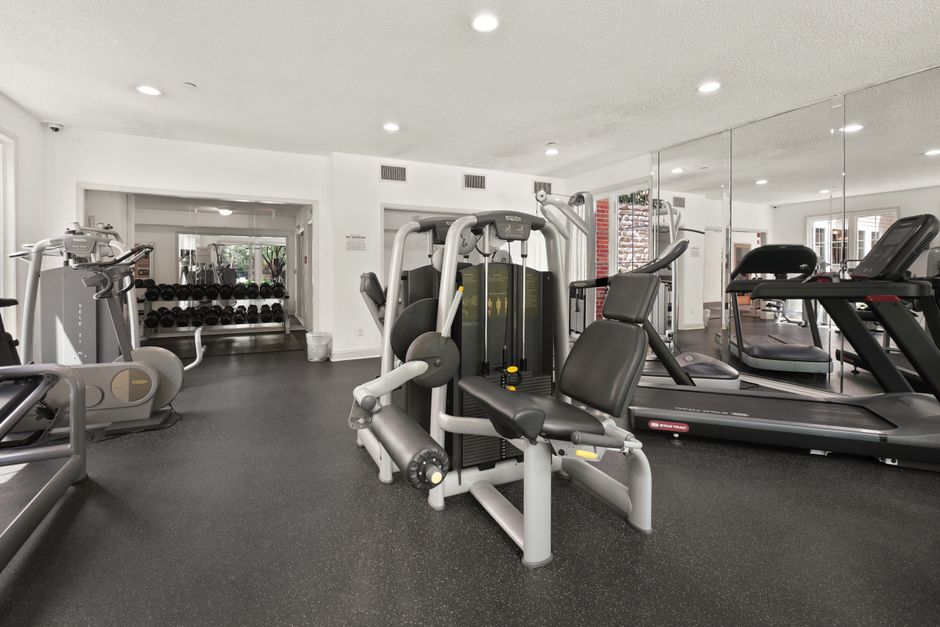
Equipment also ages faster than most owners anticipate. A treadmill that feels cutting-edge today might look dated in three years, and members notice. Leasing lets you refresh your floor at the end of the term rather than being stuck with depreciated assets you cannot sell for anywhere near what you paid. The numbers back this up: according to the Equipment Leasing Association, four out of five U.S. companies use leasing to acquire equipment, and nearly one-third of all externally financed capital expenditures in the country go through leasing. Fitness is no exception.
Then there is the tax side. Lease payments may be 100 percent tax-deductible as a business operating expense, and Section 179 of the tax code may allow you to deduct up to 100 percent of the equipment cost in the first year. For a new gym or a studio adding a second location, those deductions can meaningfully offset startup costs. And for newer businesses or owners with a limited credit history, leasing is often more accessible than traditional bank loans because the equipment itself serves as collateral.
What to Look for in a Fitness Equipment Leasing Company
Not every leasing company understands the rhythm of a fitness business. Some are generalists. Others specialize in heavy equipment leasing for construction and will not grasp why a Pilates reformer costs what it does. Here is what separates the right partner from the wrong one.
Transparent Cost Structure
Monthly payments for fitness equipment leasing typically land between $500 and $5,000, depending on the type of gear, the lease term, and your business credit profile. Some programs offer zero percent interest for well-qualified borrowers. For example, a $20,000 equipment package on a 36-month zero percent lease runs about $555 per month. That is a clean, predictable number you can build into your operating budget.
Before you sign anything, ask about origination fees, documentation charges, and prepayment penalties. Some contracts bake in costs that do not show up in the headline payment. Also confirm whether the quoted monthly amount includes sales tax, delivery, and installation. A payment that looks $200 cheaper than a competitor might not be cheaper at all once those line items surface.

Flexible Lease Terms and End-of-Lease Options
The best fitness equipment leasing companies offer terms ranging from 24 to 84 months, so you can match the payment schedule to the equipment's useful life and your cash flow cycle. A spin bike fleet might justify a longer term than a piece of specialty recovery equipment that could become obsolete quickly.
End-of-lease options matter just as much as the monthly payment. A dollar buyout lease lets you own the equipment at the end of the term for a nominal one-dollar fee. That is the right structure if you plan to keep the gear for the long haul. A Fair Market Value lease, or FMV lease, offers lower monthly payments but requires you to either purchase the equipment at its current market value or return it when the term ends. Some companies also offer trade-in programs that let you upgrade to newer models without starting from scratch, which is particularly useful for cardio equipment that logs heavy daily use.
Application Speed and Approval Process
Time kills momentum. Many leasing companies now advertise 60-second online applications with fast approvals, sometimes within the same business day. That speed matters when you have a build-out timeline and a grand opening date already on the calendar.
Look for a partner that evaluates your business holistically. Credit scores are part of the picture, but the best companies also weigh your cash flow, industry experience, and growth trajectory. They offer free business loan consultations and can provide no credit check quotes so you can explore your options without a hard inquiry hitting your credit report. A single application that connects you with multiple lenders saves significant time and paperwork compared to shopping your deal around independently.
Types of Fitness Equipment You Can Lease
The scope of what fitness equipment leasing companies will finance is broader than most owners realize. It goes well beyond the basics.
Cardiovascular equipment leads the list: treadmills, ellipticals, stationary bikes, rowing machines, and stair climbers. These are the highest-volume items in most gyms and tend to carry the heftiest individual price tags. Strength training equipment follows: free weights, plate-loaded machines, cable systems, and Smith machines. These assets hold value well and are often good candidates for longer lease terms.
Specialty and functional training gear is also financeable: battle ropes, kettlebells, plyometric boxes, suspension trainers, and even turf installation. Group fitness studios can lease spin bikes, yoga props, Pilates reformers, and barre equipment. Recovery and wellness technology, including compression therapy devices, massage chairs, cryotherapy chambers, and infrared saunas, rounds out the list. If you operate a mobile fitness business or transport equipment between locations, commercial truck leasing may also apply.
Leasing vs. Buying: Which Makes More Financial Sense?
This question does not have a universal answer, but the framework for deciding is straightforward. Leasing preserves working capital. Buying outright can tie up $50,000 to $200,000 or more, money that could otherwise fund marketing, staffing, or a second location. If your business is in growth mode, that opportunity cost is real.
Buying makes more sense if you plan to keep the equipment for seven to ten years and have the cash reserves to absorb the upfront hit without straining operations. Lease-to-own options, like dollar buyout leases, split the difference: manageable payments during the term and ownership at the end.
The tax angle deserves a close look. Section 179 may allow you to deduct the full equipment cost in year one if you buy, but lease payments are typically fully deductible as operating expenses each year they are paid. The right call depends on your business stage, cash flow patterns, and long-term equipment strategy. A conversation with a commercial finance specialist who understands equipment financing credit guidelines can help you run the numbers for your specific situation.
How to Qualify for Fitness Equipment Leasing
Most leasing companies evaluate four things: time in business, annual revenue, credit history, and industry. Startups are not automatically disqualified, though you may need a personal guarantee or a larger down payment to get approved. Some programs are built specifically for new businesses.
Credit score requirements vary widely across fitness equipment leasing companies. Some work with lower scores if the business shows strong cash flow and the equipment itself serves as collateral. Equipment financing is secured by the gear being leased, which often makes approval easier than unsecured working capital loans.
Before you apply, gather your business tax returns, bank statements, and a simple equipment list with estimated costs. Having those documents ready speeds the process considerably. A free business loan consultation can also help you understand which programs you are likely to qualify for before you formally submit an application.
Common Lease Structures Explained
Understanding the lease types available helps you negotiate from a position of knowledge. Here are the structures you will encounter most often.
A dollar buyout lease is the most straightforward path to ownership. You make monthly payments for the full term, then purchase the equipment for one dollar. It functions like a financed purchase and works well for equipment you intend to keep long-term.
A Fair Market Value lease, or FMV lease, carries lower monthly payments. At the end of the term, you can buy the equipment at its then-current market value, return it, or roll into a new lease on upgraded gear. This structure suits technology-heavy equipment that depreciates quickly.
A 10 percent purchase option lease is similar to an FMV lease but with a guaranteed purchase price set at 10 percent of the original equipment cost. It provides more certainty than a pure FMV lease while still offering lower payments than a dollar buyout.
Some companies offer seasonal or deferred payment plans, including 90-day no-payment starts that align with your cash flow cycle. Others provide equipment-plus-cash programs that combine equipment financing with additional working capital in a single fixed monthly payment. That structure can be useful if you need funds for build-out or an initial marketing push alongside new gear.
Questions to Ask Before Signing a Lease Agreement
Walking into a lease with your eyes open means asking the right questions upfront. What is the total cost of the lease including interest, fees, and any end-of-term charges? A low monthly payment stretched over a long term can cost more in total than a shorter, slightly higher-payment structure.
Ask about penalties for early termination or late payments. These clauses vary widely and can be expensive if you do not understand them going in. Clarify who is responsible for maintenance, repairs, and insurance during the lease term. Some agreements bundle maintenance; others leave it entirely to you.
Find out whether you can upgrade or add equipment mid-term if your business grows faster than expected. A good leasing partner should accommodate expansion without forcing you into a completely new agreement. Ask what happens at the end of the lease: can you buy the equipment, return it, or trade it in? And if you already own equipment and want to free up capital, ask whether the company offers a sale-leaseback option.
How to Apply for Fitness Equipment Financing
Start by getting no credit check quotes from multiple fitness equipment leasing companies. Comparing rates and terms side by side is the fastest way to spot a fair deal. Complete a single application that shares your business details, equipment needs, and desired payment structure. Many companies provide approvals within hours, so you can order equipment and start serving members quickly.
Liberty Capital Group, Inc. connects business owners to a broad network of lenders through one application, helping you explore equipment finance, working capital loans, term loans, and SBA loans without shopping your deal to a dozen different places. Once approved, funds typically go directly to the equipment vendor, and your first payment is not due for 30 to 90 days depending on the program. That grace period gives you time to get the equipment installed and generating revenue before payments begin.
Frequently Asked Questions About Fitness Equipment Leasing
Can you lease-to-own gym equipment?
Yes. Lease-to-own options are widely available through fitness equipment leasing companies, most commonly as dollar buyout leases or 10 percent purchase option leases. These structures let you make affordable monthly payments during the term and take ownership at the end.
Is it better to lease or buy gym equipment?
It depends on your cash position, growth plans, and tax strategy. Leasing is generally better for preserving working capital and upgrading equipment frequently. Buying is better if you have the cash reserves and plan to keep the equipment for many years. A consultation with a commercial finance specialist can help you run the numbers for your specific situation.
What credit score do I need to lease fitness equipment?
There is no single minimum, as different leasing companies have different thresholds. Some work with newer businesses or those with less-than-perfect credit by focusing on cash flow and the equipment's value as collateral. Getting no credit check quotes is a smart first step that does not impact your credit.
Can a startup gym qualify for equipment leasing?
Yes, many fitness equipment leasing companies work with startups. You may need a personal guarantee, a larger down payment, or a shorter initial term. Some programs are specifically designed for new businesses entering the fitness industry.
Next Steps: Get Pre-Approved for Fitness Equipment Financing
Call or apply online to get pre-approved. Most applications take just a few minutes, and a free business loan consultation can help you understand your options without any obligation. Liberty Capital Group, Inc. has helped business owners across construction, hospitality, healthcare, manufacturing, and fitness secure equipment financing since 2004. Whether you need a single treadmill or a full facility build-out, the right leasing partner makes the difference between cash-flow strain and strategic growth. No credit check quotes are available to help you explore your options before committing.